
QUOTES
8 Types of Lawsuits That Business Insurance Can Protect Against

Key Takeaways
- Businesses face a wide range of legal risks, including customer injuries, property damage, and professional disputes.
- General liability insurance provides foundational protection against common third-party claims.
- Specialized policies such as professional liability, EPLI, product liability, and cyber insurance address specific legal exposures.
- Employee actions, product issues, and digital security breaches can all lead to costly lawsuits.
- Even unintentional mistakes in advertising or services can result in legal and financial consequences.
- Proper insurance coverage helps cover legal defense costs, settlements, and regulatory penalties.
- Proactive risk management and training can reduce the likelihood of claims and strengthen overall protection.
- Comprehensive insurance is essential for maintaining financial stability, reputation, and long-term business success.
Introduction
Running a business is rewarding, but it comes with many risks, especially legal disputes that can surface unexpectedly. Protection from potential lawsuits is crucial for stability and growth, and understanding the different types of legal claims that business insurance can cover is essential for safeguarding your company. The right policy, such as commercial coverage from The Hartford, not only shields your finances but also helps you respond effectively to a wide range of legal threats.
Lawsuits can be costly, even for small businesses, and dealing with them can disrupt day-to-day operations. From customer accidents to accusations of professional mistakes, even the most careful organizations are vulnerable to claims. That’s why having well-tailored insurance coverage can make all the difference in protecting both your assets and your reputation.
Being proactive with your insurance choices offers peace of mind to business owners, managers, and employees alike. By having the right policies in place, you can prevent a single incident from becoming a long-term financial burden. To learn more about the most common types of lawsuits that business insurance can address, read on for an in-depth look at the coverage options available for modern enterprises.
Bodily Injury Claims
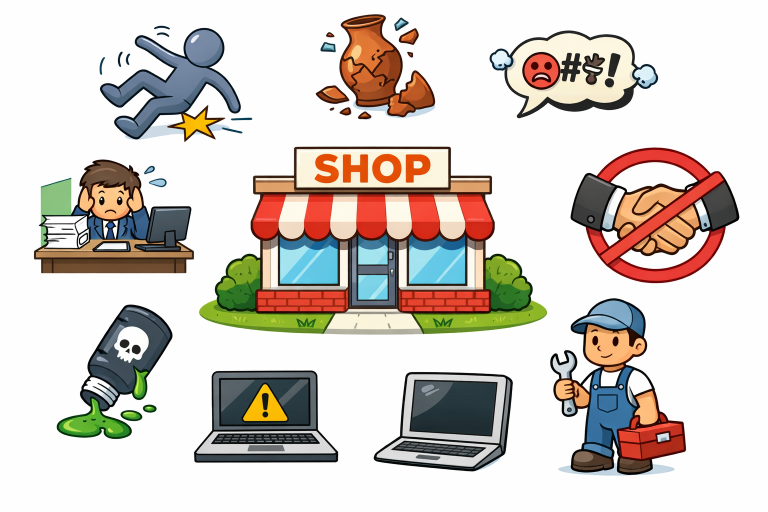
Accidents are an unfortunate but common part of running a business. If a customer or visitor is injured at your workplace, you could be held liable for medical bills and legal costs. General liability insurance is designed to handle these bodily injury claims. For example, if someone slips and falls at your retail location, this coverage can offset expenses for both medical care and your legal defense. Without this protection, such incidents could quickly escalate into costly lawsuits, jeopardizing your business’s financial stability.
It’s important to note that bodily injury claims are not limited to customer incidents alone. Employees can also be injured on the job, making it necessary for businesses to consider workers’ compensation insurance, which is separate from general liability insurance. Both types help ensure your company does not suffer financial devastation from physical accidents on your premises.
Property Damage Claims
Even unintentional actions by you or your employees can lead to property damage. If your business activities damage a client’s property, general liability insurance may cover the repair or replacement costs. Picture an employee working on-site who accidentally breaks a client’s expensive equipment. Rather than paying out of pocket, your insurance policy steps in to handle the costs, allowing you to focus on maintaining client trust and delivering quality service.
Personal and Advertising Injury Claims
Modern businesses must be mindful of risks beyond physical damage and injuries. Personal and advertising injury claims involve allegations of libel, slander, copyright infringement, and false advertising. These can happen through marketing efforts, social media posts, or public communications. General liability insurance usually includes this coverage, ensuring that legal defense fees and settlements are manageable if your company is accused of harming someone’s reputation or using intellectual property unlawfully.
Professional Negligence Claims
Clients rely on your expertise, but if they believe your professional advice or services caused them a financial loss, they may file an errors and omissions claim, also called a professional negligence claim. Professional liability insurance handles these cases, covering legal costs and potential judgments if the court rules you were at fault. Industries such as consulting, technology, and healthcare are particularly vulnerable to these lawsuits, making this coverage critical.
Professional negligence claims can sometimes involve highly complex legal processes and lengthy investigations. In many industries, clients are becoming increasingly aware of their rights, which means businesses need to stay alert, maintain thorough records, and communicate effectively to minimize misunderstandings that could otherwise lead to legal trouble.
Employment Practices Liability Claims
Internal disputes can be just as disruptive as external ones. Claims regarding wrongful termination, sexual harassment, workplace discrimination, or retaliation can arise from employee grievances. Employment Practices Liability Insurance (EPLI) is designed for these situations, helping your business pay for legal representation, settlements, and judgments. As workplace lawsuits continue to increase, EPLI has become a necessity for organizations of all sizes.
Product Liability Claims
Manufacturing, distributing, or selling products opens your business to claims from consumers who are harmed by your goods. If a product causes injury, illness, or property damage, you could face a product liability lawsuit. Product liability insurance helps with the associated legal defense costs and potential payouts. For businesses in retail, manufacturing, or distribution, this coverage provides protection against a variety of claims and, in some industries, is often required by law or partners.
Cyber Liability Claims
Cyberattacks and data breaches are increasing threats to companies that store sensitive information online. From customer payment data to personal employee records, a breach can trigger costly notifications, lawsuits, investigation expenses, and regulatory fines. Cyber liability insurance steps in to help cover those costs, mitigate immediate losses, and provide the resources needed to restore trust and security. Given the growing sophistication of hackers, this insurance has become vital for nearly every business with a digital footprint.
Vicarious Liability Claims
Your business can be held legally responsible for the actions of employees or contractors, even if you were not directly involved. Vicarious liability insurance covers lawsuits stemming from wrongful acts committed by people working on your behalf. Coverage includes bodily injury, property damage, and other liabilities arising from employee negligence or errors during business operations.
Employers play a crucial role in setting policies and offering proper training for their teams. This extra preparation helps limit employee errors that may result in third-party lawsuits, reinforcing the importance of both oversight and comprehensive insurance for added security.
Final Thoughts
Legal threats are a reality for every business, regardless of industry or size. Understanding the types of lawsuits that business insurance can help protect against allows you to proactively secure your future. From bodily injury and property damage to more complex risks like cyberattacks and employment claims, tailored coverage grants peace of mind so you can focus on building your business. With comprehensive insurance, you protect every part of your operation, ensuring resilience, reputation, and long-term success.