
SUCCESS
Staying Sharp In The Electrical Trade: Why Continuing Education Matters More Than Ever
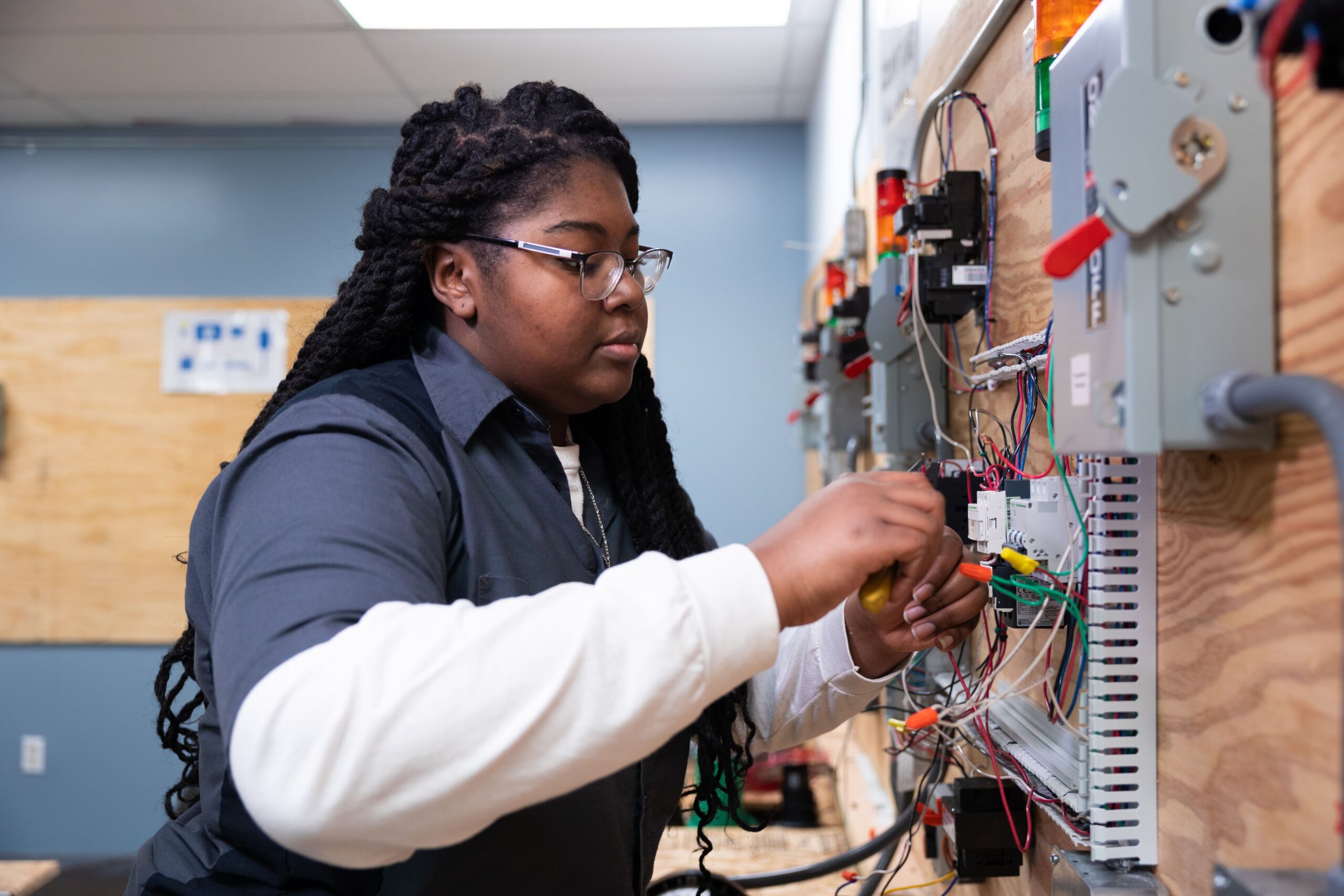
Electricians work in a field that never stands still. New technologies appear every year, safety standards evolve, and building codes change as communities adopt more advanced infrastructure. What worked perfectly five years ago may no longer meet current requirements today.
For professionals in the electrical trade, learning does not end when an apprenticeship or certification program is completed. In many ways, that first stage of training simply opens the door to a career built on continuous improvement. The electricians who stay informed about modern systems and safety standards are the ones who remain competitive and trusted in their field.
Continuing education plays a central role in this process. It gives working electricians a structured way to stay current, refine their skills, and adapt to a rapidly evolving industry. Whether someone works in residential wiring, commercial construction, or industrial systems, ongoing education helps ensure that every project is completed safely and efficiently.
Why the Electrical Industry Requires Ongoing Learning
Electricity is both powerful and unforgiving. Even small mistakes in wiring or system design can lead to serious safety hazards. Because of this, electrical work is closely regulated, and professionals are expected to maintain up to date knowledge of codes and best practices.
Building codes change regularly to reflect new research, improved materials, and lessons learned from past incidents. Updated standards may introduce new grounding requirements, revised load calculations, or improved safety protocols. Electricians who stay current with these changes help prevent problems that could endanger people or property.
Technology also plays a major role in the need for continuing education. Modern homes and commercial buildings rely on sophisticated systems that include smart panels, renewable energy integration, and advanced energy management tools. These innovations require electricians to expand their understanding beyond traditional wiring techniques.
Adapting to modern electrical systems
A generation ago, electrical systems in homes were relatively simple. Basic circuits powered lighting, appliances, and heating systems. Today, those same homes may include solar panels, battery storage systems, electric vehicle chargers, and smart automation controls.
Each new technology introduces additional layers of complexity. Installing and maintaining these systems requires knowledge of specialized equipment, updated safety procedures, and evolving code requirements. Electricians who pursue continuing education can confidently handle these modern installations.
Learning about emerging technologies also allows professionals to expand their services. An electrician who understands renewable energy systems, for example, may find new opportunities in solar installation or energy storage solutions. These additional skills can significantly increase both job satisfaction and earning potential.
Protecting safety through updated knowledge
Safety remains one of the most important reasons electricians pursue continuing education. Electrical accidents can occur when outdated practices or incorrect assumptions lead to mistakes during installation or repair work.
Training programs often review real world scenarios where safety protocols prevented accidents or where oversights led to serious consequences. These examples reinforce the importance of following proper procedures and maintaining a cautious approach on every job site.
Continuing education courses also highlight new protective equipment, improved testing methods, and updated troubleshooting techniques. Staying familiar with these advancements helps electricians perform their work with greater confidence and care.
Licensing and professional requirements
Many jurisdictions require electricians to complete continuing education in order to maintain their licenses. These requirements ensure that professionals remain knowledgeable about current codes and industry standards.
Although the specific rules may vary, most programs focus on practical topics such as safety regulations, electrical theory updates, and changes to national or regional electrical codes. Completing these courses demonstrates a commitment to professionalism and accountability within the trade.
For many electricians, these programs become more than a regulatory requirement. They serve as opportunities to sharpen skills, ask questions, and explore new aspects of the industry.
Understanding licensing renewal processes
Licensing renewal often occurs on a regular cycle, typically every one or two years depending on the governing authority. Electricians must complete a certain number of educational hours before submitting their renewal applications.
Courses are designed to fit into the busy schedules of working professionals. Many programs are available online or in short classroom sessions that allow electricians to complete their training without interrupting their work responsibilities.
The goal is not simply to check a box for license renewal. Quality courses provide practical insights that electricians can immediately apply in their daily work. This balance between regulatory compliance and practical value is what makes continuing education meaningful.
Building credibility in the industry
Continuing education also strengthens an electrician’s professional reputation. Clients and employers value contractors who demonstrate a commitment to staying current with industry standards.
When electricians can explain new code requirements or recommend updated solutions, they position themselves as knowledgeable professionals rather than just service providers. This credibility can lead to stronger client relationships and increased trust.
For those running their own businesses, staying informed about industry developments can also improve project planning and risk management. A well educated contractor is more likely to anticipate challenges and deliver reliable results.
Learning formats that fit busy schedules
Electricians often juggle demanding work schedules, travel between job sites, and long hours during major projects. For this reason, continuing education programs are designed to offer flexibility.
Many providers offer online learning platforms that allow electricians to complete courses at their own pace. These systems often include video lessons, interactive modules, and digital assessments that verify understanding of the material.
In person workshops remain popular as well, particularly for hands on topics that benefit from live demonstrations. These sessions also give professionals the chance to exchange ideas with colleagues and instructors who have extensive field experience.
Online education options
Online courses have become increasingly popular because they allow electricians to study whenever their schedule allows. A professional might complete lessons in the evening after work or during slower periods between projects.
Digital platforms also provide easy access to course materials and reference documents. Electricians can revisit important sections whenever they need a refresher on a particular topic.
For professionals seeking Texas electrical continuing education, online programs often provide convenient options that meet licensing requirements while allowing participants to learn at their own pace.
Hands on workshops and seminars
Although online learning offers convenience, many electricians appreciate the value of in person instruction. Workshops and seminars provide opportunities to see equipment demonstrations and practice new techniques in a controlled environment.
Instructors often share real world experiences from years of working in the field. These stories add context to technical lessons and help participants understand how theory translates into everyday job site situations.
Networking is another benefit of in person training. Electricians from different companies and specialties often exchange ideas, discuss challenges, and build professional relationships that continue long after the course ends.
Topics commonly covered in continuing education
Electrical continuing education programs typically focus on areas that directly affect daily work in the trade. Courses aim to strengthen both technical knowledge and practical decision making skills.
One common topic involves updates to electrical codes. Because these standards change regularly, electricians must stay informed about new requirements for wiring methods, grounding systems, and circuit protection.
Another area of focus is safety training. Programs often cover hazard recognition, proper use of testing equipment, and procedures for working around energized systems. These lessons reinforce habits that protect both electricians and their clients.
Renewable energy and emerging technology
Renewable energy systems have become an increasingly important part of electrical work. Solar panels, battery storage units, and electric vehicle charging stations are now common features in many modern buildings.
Continuing education programs introduce electricians to the fundamentals of these systems. Courses may explore how renewable energy integrates with existing electrical infrastructure and what safety considerations apply during installation.
Understanding these technologies allows electricians to participate in a growing segment of the industry. As energy systems continue to evolve, professionals who embrace new knowledge are better prepared to meet future demands.
Advanced troubleshooting techniques
Electrical troubleshooting can sometimes feel like solving a puzzle. A circuit that refuses to behave as expected may require careful analysis and systematic testing to identify the root cause.
Continuing education courses often present structured troubleshooting methods that help electricians diagnose problems more efficiently. These techniques reduce guesswork and improve the likelihood of resolving issues quickly.
Learning from experienced instructors can also reveal insights that are rarely found in textbooks. Small details, such as recognizing subtle voltage fluctuations or interpreting unusual equipment behavior, can make a significant difference during complex repairs.
A career built on constant improvement
Electricians play a crucial role in keeping homes, businesses, and entire communities powered safely. As technology continues to evolve, the responsibilities of the trade will only expand.
Continuing education ensures that electricians remain prepared for these changes. By staying informed about new tools, updated codes, and emerging technologies, professionals maintain the high standards that the industry demands.
For many electricians, learning becomes a lifelong habit rather than a requirement. Each course offers a chance to refine skills, discover new ideas, and strengthen confidence in their work.
In the end, continuing education is not just about maintaining a license. It represents a commitment to craftsmanship, safety, and professional growth. That dedication benefits not only electricians themselves but also the countless people who rely on their expertise every day.