
QUOTES
How Virtual Production Platforms Help Teams Work Across Different Locations
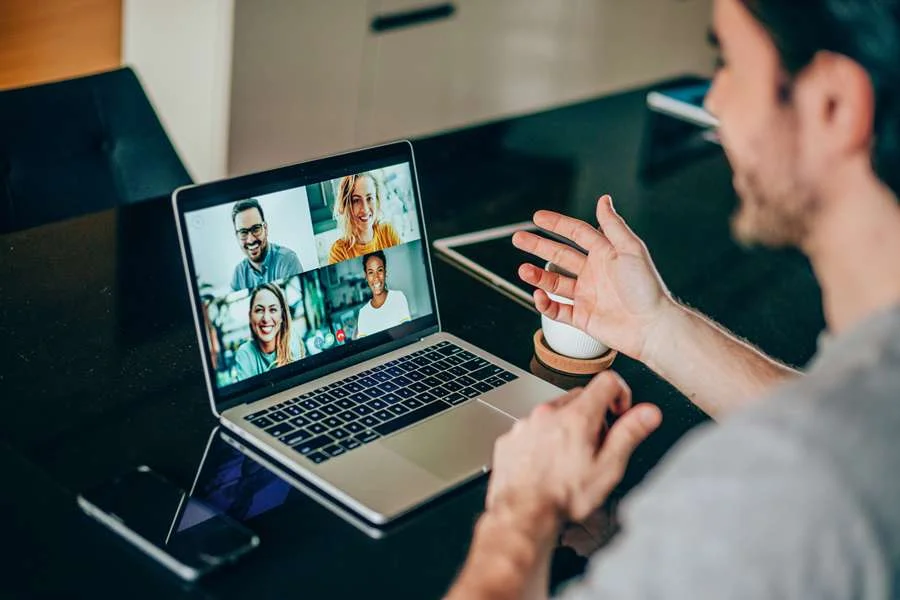
Production teams are no longer limited by geography in the way they once were. Editors, producers, designers, technical specialists and clients may all be contributing to the same project from different cities or even different countries. A virtual production platform can provide the shared environment needed to bring those people together, helping them communicate, review work and manage production without relying on everyone being physically present in the same studio.
This shift has changed more than simply where people work. It has influenced how projects are structured, how decisions are made and how quickly different stages of production can move forward.
For organisations already working with distributed teams, the ability to collaborate remotely is increasingly becoming part of the normal production process rather than an occasional alternative.
Bringing Different Specialists Into One Workflow
Modern productions often involve a wide range of specialists.
A single project might require producers, camera teams, editors, motion graphics designers, sound engineers, colourists and client representatives. Traditionally, coordinating all of those people could involve bringing them together at a central location or physically transferring material between different facilities.
Digital production environments make that less necessary.
Instead, each person can access the parts of the project relevant to their role. An editor might be working from one location while a producer reviews progress elsewhere. At the same time, a client could be viewing material and leaving feedback without travelling to either location.
This can be particularly useful when specialist skills are difficult to find locally.
A production team based in Manchester, for instance, might work with an animator in London, a sound specialist in Glasgow and a client elsewhere in Europe. Provided the workflow has been organised properly, physical distance becomes much less of an obstacle.
Faster Feedback Can Keep Projects Moving
Waiting for feedback is one of the easiest ways for a production schedule to lose momentum.
If material needs to be exported, uploaded, emailed to several people and then discussed separately, relatively simple decisions can take much longer than expected. Different people may also comment on different versions of the same material, creating further confusion.
Centralised collaboration can make that process much clearer.
Everyone involved can potentially review the same version of a project and understand which changes have already been requested. Producers can see whether feedback has been addressed, while creative teams are less likely to receive contradictory instructions through separate email chains.
The benefit is not simply speed.
It also creates a clearer record of how decisions have been made throughout the project. When someone needs to know why an edit was changed or who approved a particular version, that information can be easier to trace.
Distance Makes Organisation More Important
Remote collaboration can improve flexibility, but it also removes many of the informal interactions that naturally happen when people work together.
In a shared studio, someone can quickly ask which file is current or whether a particular change has been approved. With a distributed team, those small conversations are not always possible.
That makes organisation essential.
File naming needs to be consistent. Responsibilities should be clearly assigned. Teams need to know where feedback should be left and which version of a project should be treated as the latest one.
Without those rules, remote production can quickly become fragmented.
One person may be working from an outdated file while another assumes a decision has already been approved. The technology itself cannot completely prevent this. Effective collaboration still depends on a workflow that everyone understands.
Working Across Time Zones
Different locations do not only mean different offices. They can also mean different working hours.
At first glance, time zones may seem like an inconvenience. A team in the UK may be finishing for the day just as colleagues elsewhere are beginning work.
Used carefully, however, this can sometimes become an advantage.
Tasks can effectively move between teams over a longer working window. Material prepared during one team’s day can be reviewed or developed by another team later on.
This approach is sometimes described as a follow-the-sun workflow.
It will not suit every project, particularly where constant real-time discussion is required. However, when responsibilities are clearly divided, it can allow production to continue for longer periods without expecting individuals to work unreasonable hours.
The important part is ensuring that handovers are clear. Notes, outstanding tasks and priorities need to be documented rather than left to informal conversations.
Reducing Dependence on Physical Facilities
Production studios remain important, particularly when specialist equipment or controlled environments are required. Remote collaboration does not eliminate the need for physical production spaces.
It can, however, change how frequently everyone needs to be present in them.
A team may still use a studio for filming while carrying out preparation, editing, review and approval remotely. This creates a hybrid model in which physical facilities are used when they genuinely add value rather than simply because that is where the production team traditionally works.
There can also be practical benefits for clients.
Someone approving a commercial, corporate film or digital campaign may no longer need to spend an entire day travelling to an editing suite simply to review relatively small changes.
That can make participation easier for senior stakeholders whose schedules might otherwise delay the project.
Access to Talent Becomes Less Location-Dependent
Perhaps one of the biggest long-term effects of remote production is the ability to build teams around skills rather than geography.
Production companies have traditionally benefited from being located close to established creative centres because that is where much of the available talent was concentrated.
That advantage still exists, but its importance may gradually reduce.
When people can contribute effectively from elsewhere, organisations have a much larger pool of specialists to choose from. Freelancers can remain involved with clients even after relocating, while production companies can recruit people without necessarily expecting them to move.
This can also make it easier to assemble different teams for different projects.
A highly technical production may require one group of specialists, while a creative campaign may need another. Remote working allows organisations to build those combinations without being restricted entirely by who happens to be available locally.
Communication Still Matters More Than Technology
It is easy to assume that better software automatically creates better collaboration.
In reality, communication remains the determining factor.
Teams need to know who is responsible for decisions, when feedback is expected and what constitutes final approval. Meetings should have a purpose rather than simply filling the communication gap created by working remotely.
Too many calls can be almost as disruptive as too few.
Good remote teams tend to establish predictable ways of working. Certain discussions might happen live, while routine updates can be handled asynchronously. Urgent matters may have a clearly defined communication channel so that important messages are not lost among everyday conversations.
Once those habits become established, the physical location of individual team members becomes far less significant.
A More Flexible Production Model
The growth of distributed production does not necessarily point towards a future in which everyone works remotely all of the time.
Instead, it offers teams more choice.
Some projects may benefit from people working together in a studio. Others can be completed almost entirely remotely. Many will fall somewhere between the two.
The important development is that location is becoming one factor in designing a production workflow rather than the factor that determines it.
Teams can decide where people genuinely need to be, which tasks can happen remotely and how technology can connect the different stages of the project.
For production companies, agencies and creative teams, that flexibility can make it easier to respond to changing workloads, work with specialist talent and involve clients wherever they happen to be. As remote workflows become more established, collaborating across different locations is increasingly likely to feel less like a compromise and more like a normal part of modern production.