
QUOTES
How Industrial Businesses Can Avoid Common Problems During Heavy Equipment Installation
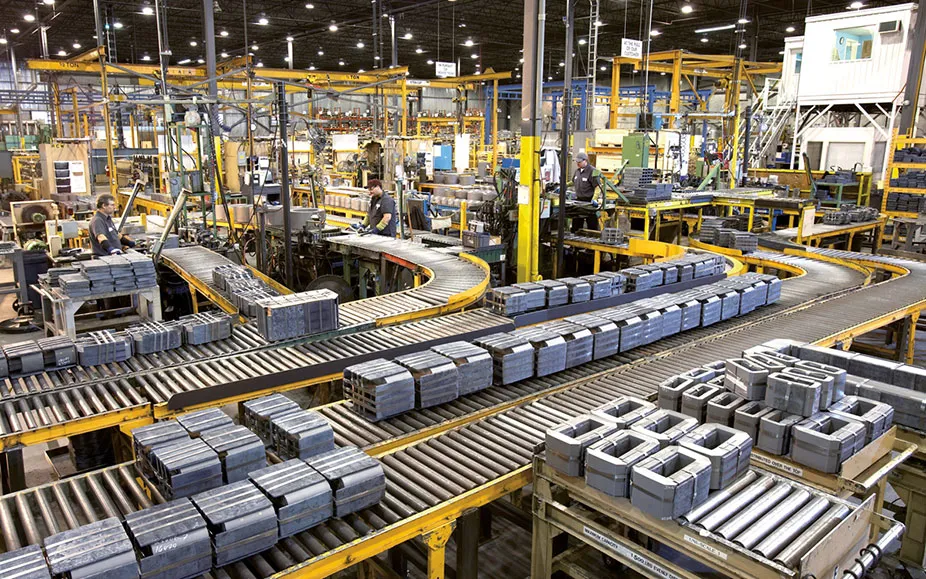
The arrival of new industrial equipment is often an important moment for a business. It may represent an increase in production capacity, the introduction of improved technology, a move towards greater automation or the beginning of a wider factory upgrade. Many companies now rely on heavy equipment installation experts to help manage the complex process of transporting, positioning and preparing machinery safely within active industrial environments. However, new machinery does not start delivering value simply because it has arrived on site. Before it can become part of daily operations, it must be transported safely through the facility, installed in the correct position, connected properly and prepared for commissioning.
This stage can be far more challenging than businesses anticipate. Large industrial machines may be extremely heavy, difficult to manoeuvre and sensitive to poor handling. Existing buildings may present narrow access routes, low doorways, unsuitable floors or limited space around the intended installation area. At the same time, the business may be trying to maintain normal production while installation work is taking place nearby. Avoiding problems therefore depends on careful preparation long before the delivery vehicle reaches the site.
Planning Beyond the Delivery Date
One of the most common mistakes in industrial equipment projects is treating the delivery date as the main planning milestone. Although it is clearly important, successful installation begins much earlier. Businesses need to understand exactly what is arriving, how it will enter the site, where it will be positioned and what must be ready before the installation process can begin.
Machine specifications should be reviewed in detail, including dimensions, weight, centre of gravity, lifting points, electrical requirements, compressed air or hydraulic connections, ventilation needs and required operating clearances. This information affects almost every stage of the project. A machine may technically fit within a production area, but there may not be sufficient space to turn it through an access route or safely perform the final positioning work.
A detailed site survey can prevent many of these issues. Delivery routes, loading areas, internal doorways, floor surfaces, overhead restrictions, gradients and nearby working areas all need to be assessed before any equipment arrives. It is also important to identify whether doors, barriers, pipework, racking or temporary structures need to be removed in advance. Discovering these problems on the day of delivery can lead to delays, additional cost and unnecessary risk.
The installation location itself requires equal attention. A new machine may need a prepared foundation, anchoring points, reinforced flooring or services positioned within specific tolerances. If these details are not ready or do not match the manufacturer’s requirements, the equipment may arrive but be unable to move into final operation. Planning should therefore bring together equipment suppliers, site engineers, electrical contractors, production managers and specialist installation teams from an early stage.
Access and Positioning Should Never Be Assumed
Industrial facilities are not always designed with future machinery moves in mind. Older factories in particular may have developed gradually, with equipment, storage areas and services added over many years. A production floor that works well for day-to-day operations may be extremely difficult to navigate with a large new machine.
Access difficulties can arise outside the building as well as inside it. Delivery vehicles may need sufficient turning space, stable loading areas and safe unloading arrangements. Busy industrial estates, restricted yards, overhead cables or neighbouring operations may all affect the practical delivery plan. Once equipment enters the building, the route may become more complex still, particularly where active machinery, pedestrian areas or stored materials are nearby.
Assuming that a machine can simply be brought in through the nearest door is one of the easiest ways to create unnecessary disruption. Even when the dimensions appear suitable, the route must account for packaging, lifting equipment, safe clearances and the space needed to make directional changes. Machinery that cannot be turned or positioned as planned may require a complete change of method after work has already started.
This is where heavy equipment installation experts can provide significant value. Their role is not limited to lifting a machine from one place to another. They can assess site limitations, select suitable moving and lifting equipment, plan the sequence of operations and identify practical risks before they affect the installation. Their involvement helps ensure that the proposed route works in real conditions rather than only on a drawing or specification sheet.
Final positioning also demands precision. Equipment may need to align with existing production lines, conveyors, loading systems, service connections or automated processes. A small positioning error can create larger difficulties later, requiring adjustments to surrounding systems or delaying commissioning. The more complex and integrated the new machinery is, the more important accurate placement becomes.
Protecting Production While Work Takes Place
For many industrial businesses, installation cannot happen in an empty building with unlimited time available. Production may still be active, customer orders may still need fulfilling and staff may continue working in nearby areas. This makes the coordination of installation activity particularly important.
A poorly managed equipment installation can disrupt more of the facility than expected. Access routes may become blocked, materials may need moving temporarily, noise and lifting activity may affect nearby work, and certain areas may need to be isolated for safety reasons. If these effects have not been considered in advance, the business may find itself making difficult operational decisions at short notice.
Scheduling should be approached realistically. Some installations may be completed during a weekend, night shift or planned shutdown, while others may require a phased approach over several days. In either case, the programme should allow for unloading, internal movement, positioning, connection, testing and potential adjustments. A schedule based only on the best possible outcome can quickly become unreliable if a minor delay occurs during any stage.
Communication with staff is also important. Employees need to know which areas will be affected, whether normal routes are changing and how their usual work may be temporarily adjusted. Contractors and installation teams also need clear information about active operations, restricted areas and site safety requirements. When everyone understands the plan, the work is more likely to proceed without avoidable interruptions or unsafe overlap between normal production and installation activity.
In some cases, the business may also benefit from preparing temporary production arrangements before installation begins. Work may be transferred to another line, additional stock may be produced in advance or essential operations may be rescheduled around the installation window. These decisions may seem inconvenient initially, but they can reduce the wider financial impact if equipment work temporarily affects output.
Avoiding Damage to Valuable Equipment
Industrial machinery represents a substantial investment, and damage during installation can be both costly and frustrating. A machine intended to increase efficiency may instead become the source of delay if it is mishandled before it has even begun operating.
Damage does not always occur through an obvious accident. Sensitive components may be affected by excessive vibration, uneven lifting, incorrect support, moisture exposure or poor positioning. Packaging may be removed too early, leaving parts vulnerable while equipment is still being moved through the building. Connections or control systems may also be damaged if machinery is pushed, tilted or lifted using unsuitable points.
The correct moving method depends on the equipment and the environment. Some machines may require specialist lifting frames or gantries, while others can be moved using forklifts, hydraulic systems or machinery skates under carefully controlled conditions. The selection of equipment should be based on proper assessment rather than convenience or availability alone.
It is also useful to establish who is responsible at each stage of the installation. The machinery supplier may oversee certain technical requirements, while moving specialists manage transport and positioning, and engineers handle connections and commissioning. Clearly defining these responsibilities prevents gaps where assumptions can lead to damage or delays.
Once the machine is in position, the installation should not be rushed into operation simply to meet an ambitious deadline. Alignment, levelling, anchoring, guarding, services and control systems all need to be checked properly. A controlled commissioning process helps confirm that the equipment is safe, accurate and ready to perform as intended.
Making Installation Part of a Longer-Term Strategy
New equipment is rarely installed purely for the present moment. Businesses invest in machinery because they expect it to support production for years, often as part of a wider plan for growth, modernisation or improved efficiency. The installation should therefore consider how the facility may change in the future.
A machine positioned without thought for surrounding access may become difficult to maintain. Equipment placed too closely together may restrict future upgrades, complicate cleaning or create bottlenecks in material movement. An installation that meets immediate needs but limits later expansion can reduce the overall return on the investment.
Careful layout planning helps avoid these issues. Businesses should consider operator movement, maintenance access, product flow, service access and the possibility that further machinery may eventually be added. Installation is an opportunity to improve the wider working environment, not simply fill an available gap on the factory floor.
Successful equipment projects depend on preparation, coordination and realistic understanding of site conditions. Businesses that plan access carefully, prepare services in advance, communicate with staff and use appropriate specialist support are far less likely to encounter avoidable disruption.
Heavy equipment installation experts help bring control to a process where mistakes can be expensive. By assessing the route, managing complex movement, supporting accurate positioning and working around operational constraints, they enable industrial businesses to turn major equipment investment into practical productive capacity with fewer unnecessary problems along the way.