
QUOTES
Modern Approaches to Employee Benefits Administration
Key Takeaways
- Tech-forward strategies like AI, data analytics, and blockchain are at the forefront of modern benefits administration, transforming outdated processes into seamless, reliable, and data-driven experiences for both employers and employees.
- Flexible, customizable plans better address the preferences and needs of today’s multigenerational workforce, supporting individuals at different life stages with more meaningful options than ever before.
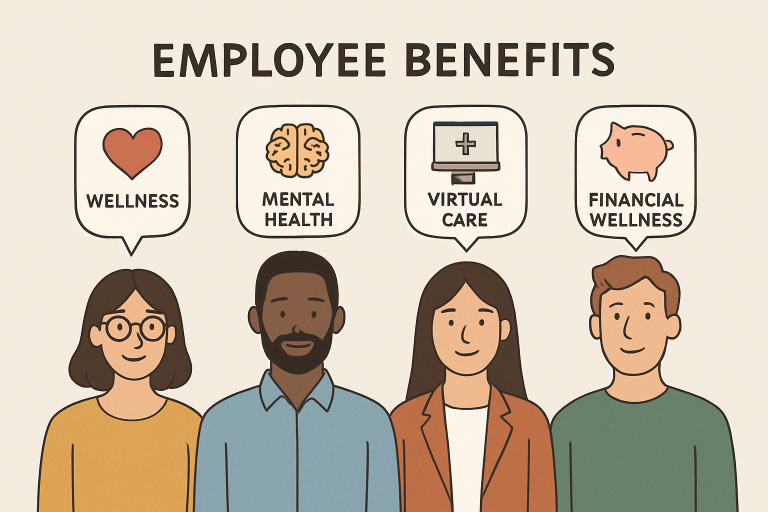
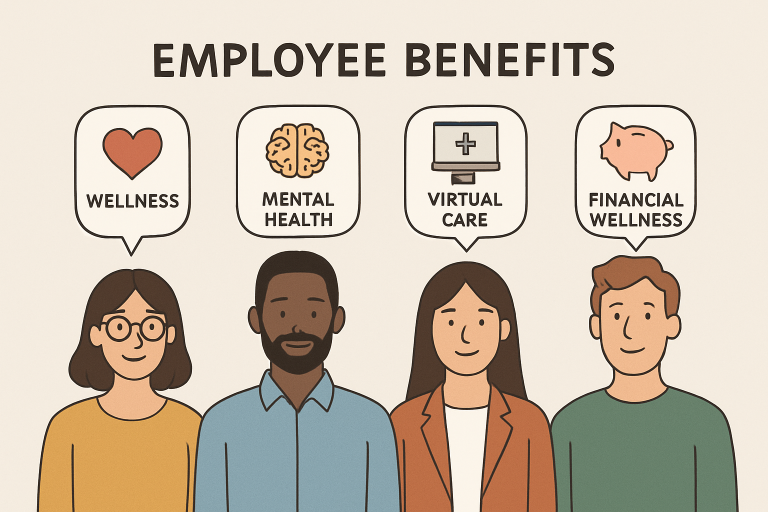
- Mental health, well-being, and financial support programs are core to employee satisfaction and organizational success, fostering a more engaged and productive workplace while reducing absenteeism and burnout.
In today’s rapidly evolving employment landscape, companies face greater challenges in providing comprehensive, competitive employee benefits. With an ever-expanding set of options and shifting employee expectations, organizations are tasked with keeping pace or risking losing top talent to more forward-thinking competitors. The right approach to benefits administration for small and midsize businesses has never been more important, particularly as organizations look to attract, engage, and retain a diverse and talented workforce. Outdated administrative processes and one-size-fits-all offerings are giving way to smarter, tech-driven, and personalized models that acknowledge employees’ unique needs and life stages. Today’s HR departments must ensure compliance, control costs, and meet the expectations of a multigenerational workforce that demands flexibility and transparency.
As businesses compete for top talent, they must streamline their administrative processes while enriching their benefits packages. The adoption of innovative digital platforms, flexible benefits, and holistic wellness strategies enables organizations not only to meet regulatory requirements but also to create a supportive and engaging culture. Employers are increasingly using automation, predictive analytics, and integrated communication tools to both simplify benefits management and ensure employees are making the most of available resources. This push toward modernization is not only about efficiency but also about boosting employee experience, increasing satisfaction, and ultimately driving long-term retention and productivity.
Leveraging AI and Data Analytics
Artificial intelligence and advanced data analytics are transforming administrative functions from manual, time-consuming operations to efficient, intuitive, and highly personalized systems. Through machine learning and predictive modeling, AI-driven platforms collect and analyze extensive datasets on employee health, benefit usage, and workplace trends, enabling HR teams to design smarter interventions and anticipate workforce needs. These systems can recommend personalized benefits to employees, answer questions in real time via AI chatbots, and flag potential risks or gaps in care. By leveraging AI, organizations are not only reducing error rates and administrative overhead but also optimizing the entire employee benefits experience. Businesses that leverage AI in benefits administration see significant improvements in satisfaction and process efficiency, gaining a measurable edge over those using traditional approaches.
Implementing Flexible Benefits Models
Employees today expect flexibility in how their benefits are structured and delivered. Instead of one-size-fits-all packages, flexible benefits models offer choice, allowing employees to select and allocate funds to what matters most to them, whether it’s wellness initiatives, dependent care, commuter support, or learning and development opportunities. This approach recognizes that the workforce is more diverse than ever, with employees at different life stages valuing different types of support. These models support the needs of a workforce spanning multiple generations and life situations, boosting engagement and loyalty while providing a sense of autonomy. For employers, customizable benefits can lead to better ROI on benefit spending by allocating support where it is truly valued. Employers who provide customizable benefits not only increase employee satisfaction but also reduce wasted spend on underutilized programs and improve their reputation as a people-centric workplace.
Enhancing Mental Health and Well-Being Programs
Modern benefits administration takes a holistic approach to wellness, emphasizing mental, emotional, and physical health. With rising global awareness of mental health challenges, companies are responding by extending their offerings far beyond traditional health insurance. Employee assistance programs (EAPs), comprehensive teletherapy services, mindfulness and stress management workshops, and robust digital mental health resources are becoming fundamental components of leading benefits packages. Companies prioritize these services to address rising rates of stress, burnout, and mental health challenges, recognizing the strong link between psychological well-being and workforce productivity. Organizations that invest in mental health programs see substantial reductions in employee turnover and absenteeism, along with a more inclusive, supportive environment that employees value deeply.
Integrating Virtual Care Services
The growth of telemedicine and virtual care platforms has significantly expanded access to healthcare, breaking down geographic and time-based barriers to care. Employees can now connect with primary care providers, specialists, and behavioral health professionals without leaving their homes, enhancing convenience and reducing time away from work for appointments. For companies, integrating virtual care directly into benefits plans means employees receive faster support, better preventive care, and ongoing management for chronic conditions, all of which contribute to improved health outcomes and reduced claims costs. Virtual care offerings also support hybrid and remote work models, expanding healthcare access no matter where employees are located. In many industries, remote and hybrid workers now rely on digital health platforms as an essential part of their benefits experience.
Utilizing Blockchain for Transparency and Security
Blockchain technology is introducing new standards of integrity, security, and transparency in benefits administration. Its decentralized, tamper-proof ledger system ensures that sensitive employee information, such as healthcare transactions or retirement contributions, is shared securely, accurately, and only with authorized parties. This advances trust and reliability within benefit systems, making it harder for fraudulent activity or data breaches to occur. Blockchain also accelerates claims processing and payment by automating verification steps, drastically reducing paperwork and administrative lag. These features are increasingly important as benefits data becomes more digitized and interoperable across platforms. HR leaders see blockchain as a crucial innovation in building employee trust and maintaining regulatory compliance, especially with evolving data privacy requirements.
Focusing on Financial Wellness Programs
Beyond traditional health and retirement benefits, financial wellness initiatives are emerging as a top priority for both employees and employers. From student loan repayment programs and budgeting tools to emergency savings accounts and on-demand access to financial advisers, these offerings help employees manage pressing financial concerns. Employers who address financial wellness are responding to widespread financial stress, which can affect performance, engagement, and overall well-being. By reducing money-related stress, these offerings can lead to increased productivity, higher engagement, and greater retention as employees feel more secure about their financial futures. A growing number of companies view financial wellness as an integral component of their broader benefits strategy, especially amidst inflation and economic uncertainty, positioning themselves as empathetic, supportive employers in tough times.
Conclusion
The future of employee benefits administration lies in the convergence of technology, flexibility, and holistic wellness support. Employers investing in innovative benefits processes and platforms not only streamline operations and achieve compliance but also create a more vibrant, resilient, and competitive organization. As workforce expectations evolve, so too must benefits strategies, ensuring that both people and businesses can thrive. Forward-thinking companies that prioritize experience, transparency, and choice in benefits are well-positioned to succeed in the new world of work.