
QUOTES
Speed vs. Precision: Finding the Balance in Linear Motion Systems
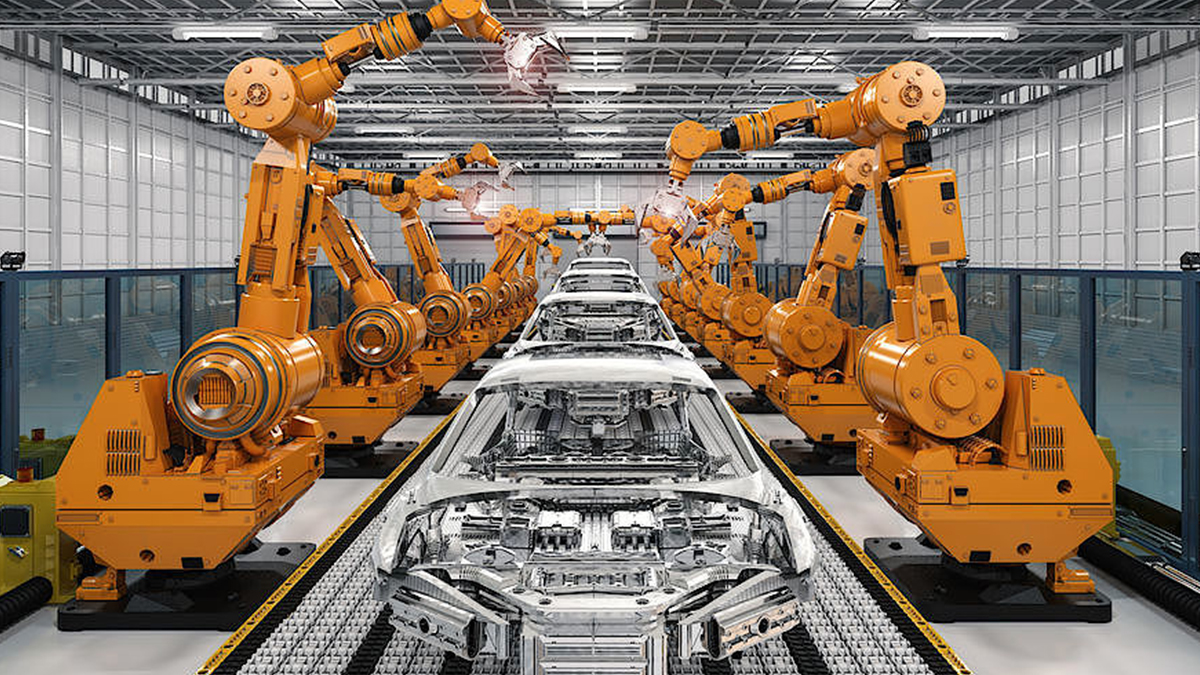
When you design a machine that moves something from point A to point B, you quickly discover a simple truth. Going very fast and landing exactly on target are not always easy to do at the same time. Push speed too hard and placement can get sloppy. Chase perfect accuracy and cycle times often slow down. The goal is to find a practical middle ground that fits the job, the budget, and the timeline.
Start With What the Job Really Needs
Before you think about parts, write down what success looks like. How quickly do moves need to happen. How close to the target is good enough. How heavy is the thing you are moving. How many hours a day will the system run. Clear answers to these questions make later tradeoffs easier. For example, a packaging line that places bottles in trays all day may value consistent, steady motion more than razor thin accuracy. A test station that touches a sensor to a tiny contact might accept slower moves if it means the probe lands exactly where it should, every time.
Understand Your Main Choices
Most linear motion systems use one of a few common drive styles. Belt drives are light, quick, and great for long strokes, but they are not usually the first pick for very tight placement. Rack and pinion can go long and fast with solid toughness, which is helpful on big machines, though they take care to tune. Screw driven systems translate turning motion into straight motion with a threaded shaft and a matching nut. This family is popular because it can combine reasonable speed with dependable accuracy, and it works well with common motors and controls.
If you need a mix of quick moves and repeatable placement, a ball screw for automation is often the first option to consider. The ball bearings inside reduce friction, so motion stays smooth, while the threads provide a clear, direct relationship between motor rotation and travel. That makes it easier to set speeds, land on target, and repeat the result across a long shift without constant tweaking.
Match Speed and Accuracy to the Workday
Think about how far and how often the axis will move in a normal day. Short strokes that happen thousands of times per hour benefit from quick acceleration and gentle deceleration so parts do not overshoot or shake. Longer strokes may run at a comfortable cruise speed and then slow down for a clean stop at the end. Both situations can work well if you align three simple ideas.
- Pick a motor and controller that can handle the pace without running hot all the time.
- Choose a drive style that turns motor rotations into the travel you need without forcing the motor to spin at unrealistic speeds.
- Give the system a little margin so small changes in load or temperature do not throw off accuracy.
You do not need to chase perfection. Aim for fast enough and accurate enough for the result you care about, and let the rest of the system support that target.
Consider The Environment and the People Who Run the Machine
Where the machine works matters as much as how it works. Dust, moisture, cleaning chemicals, or temperature swings can shorten the life of any moving part. If your system lives in a washdown area, ask for corrosion resistant finishes. If the air carries fine powder or chips, build in basic protection so debris does not pile up on the moving parts. A little forethought can turn a constant headache into routine housekeeping.
Also consider the people who will operate and maintain the system. Simple access to the drive, clear labeling, and easy to read adjustment points make daily life better. When operators can see what is happening and maintenance teams can reach what they need, small problems get fixed before they become downtime.
Plan For Upkeep So Performance Stays Consistent
Every moving part needs care. Instead of waiting for wear to show up in scrap rates or missed targets, schedule small tasks that keep performance steady. Light cleaning and the right lubrication go a long way. Quick inspections during planned stops can catch loose fasteners, frayed cables, and tired bearings long before they cause a shift to grind to a halt. Build a simple checklist and connect it to the logs you already keep, like weekly run hours or cycle counts. The goal is consistency, not complexity.
Prototype, Test, And Adjust
Even a well-planned design benefits from a short trial. Set up a realistic test with the loads, speeds, and stops you expect in production. Watch for drift over time, not just first hour results. Measure how quickly the system recovers if you change the weight of the payload or the order of moves. Use those observations to tune a few basics. Speed up where you can, slow down where you must, and smooth the motion in the last inch so the part lands cleanly. Small tweaks often deliver big gains without new hardware.
Bring The Whole System into The Conversation
Drives do not work alone. Guides, frames, sensors, and software all help decide where your design lands on the speed versus precision curve. A sturdy frame and well supported guides keep things straight so the drive does not fight flex. Clean sensor signals and sensible software limits keep motion predictable. If you treat the project as a team sport and review how the parts work together, you will usually find a better balance than if you only optimize one item at a time.
When To Revisit Your Choices
Conditions change. New products, heavier tools, or higher output goals may push your original design past its comfort zone. Plan a quick review whenever your process shifts in a meaningful way. If you suddenly need more parts per hour, you might be able to gain time by shortening dwell periods or rearranging the move order. If accuracy starts to slip, it may be time to refresh worn components, tighten mounts, or add a short settling pause before a critical measurement or pick.
Conclusion
There is no single right answer to the speed versus precision question. The best balance depends on what you are building, where it will run, and how long it needs to last. Start with the outcome you care about, choose a drive style that fits, and let testing guide your fine tuning. Keep the environment and the people in mind, plan for upkeep, and adjust as needs change. With that approach, you can build a linear motion system that moves quickly, lands reliably, and stays dependable shift after shift.