
ABOUT
Why Integrated Industrial Systems Matter More Than Individual Equipment Upgrades
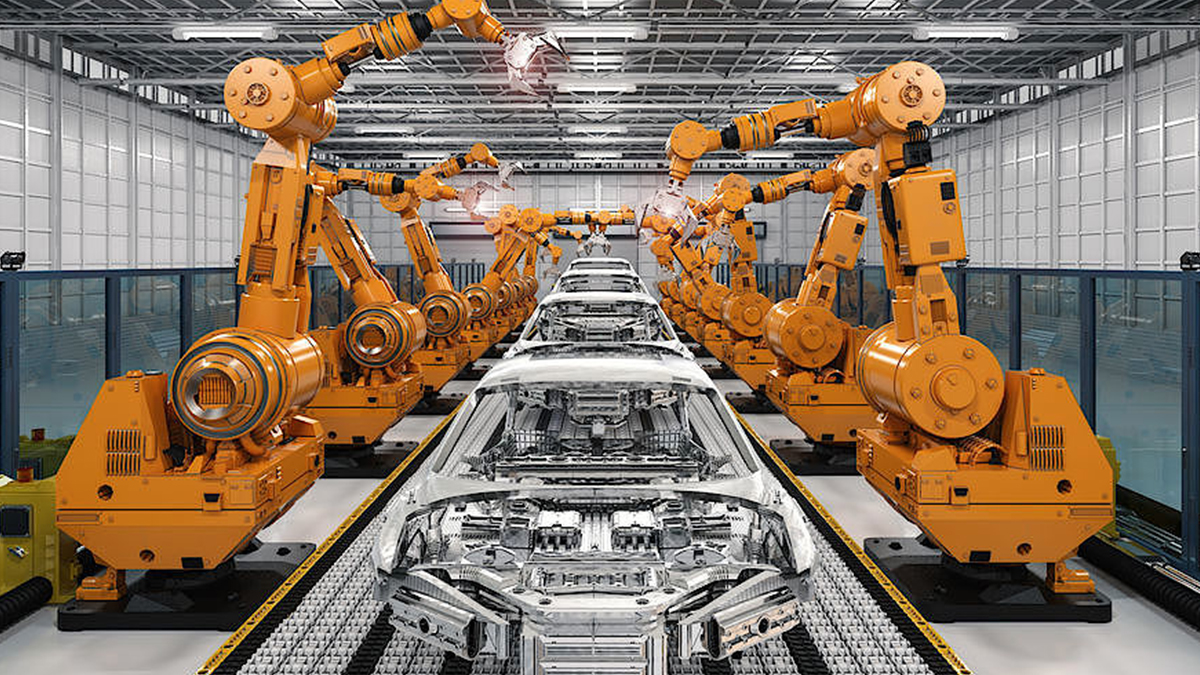
Industrial facilities often invest in new equipment because a particular machine is ageing, inefficient or unable to meet changing production demands. Replacing a pump, control panel, conveyor, emissions component or processing unit may appear to solve a clearly identified problem. In some cases, it does. However, facilities rarely operate as collections of independent machines. Each part affects the performance, reliability and workload of the systems around it.
An industrial systems company can help plant operators look beyond the immediate equipment replacement and consider how an upgrade will interact with the broader operation. New machinery may offer improved capability, but its value can be limited if controls are outdated, upstream processes cannot supply it consistently, downstream equipment cannot manage increased output or maintenance teams are left with an unnecessarily complicated mix of technologies. Effective modernisation depends on understanding the plant as a connected system.
The Risk of Solving One Problem in Isolation
When a component fails frequently or restricts output, replacing it can feel urgent. Plant teams naturally want to remove the bottleneck and restore dependable operation. Yet a new piece of equipment does not automatically resolve the reason a process has become inefficient. A recurring fault may have been influenced by poor flow conditions, unsuitable control settings, inconsistent supply, excessive operating pressure or demands placed on the equipment by another stage of production.
If those factors are not considered, replacement equipment may eventually face similar difficulties. Alternatively, the new unit may perform well but expose weaknesses elsewhere. Increasing one section’s capacity can place additional strain on material handling, storage, utilities, ventilation, emissions systems or quality control. Instead of removing operational pressure, the upgrade may simply move it to another point within the process.
This is particularly important in facilities that have developed gradually. Many plants contain equipment installed across different periods, with systems adapted as production needs changed. While each individual modification may have made sense at the time, the overall operation can become harder to manage as controls, machinery and maintenance requirements lose consistency. A single replacement decision is therefore an opportunity to consider whether wider coordination would produce greater long-term benefit.
Equipment and Controls Need to Work Together
Modern industrial equipment frequently depends on accurate control, monitoring and communication with surrounding systems. A high-performing machine may require stable input conditions, reliable sensors and control logic that responds appropriately as operating demands change. If the equipment is installed without considering these requirements, the plant may never achieve the efficiency or reliability expected from the investment.
Controls can also affect how easily operators identify problems. If separate equipment items use disconnected monitoring systems, teams may see individual alarms without gaining a clear picture of what is happening across the process. A fault may appear to originate in one machine when the underlying cause is actually located earlier in the production line.
Integrated design can support better visibility. When equipment, controls and monitoring arrangements are planned together, operators may find it easier to track performance, identify abnormal conditions and respond before minor issues develop into larger interruptions. Maintenance teams can also benefit from clearer information about running hours, equipment condition and recurring patterns that may justify investigation.
This does not mean every facility needs a complete automation overhaul whenever one item is replaced. It means that equipment selection should consider how the plant is controlled now, what information operators need and whether the new installation supports rather than complicates future improvement.
Reliability Depends on More Than New Machinery
Replacing old equipment is sometimes assumed to be the quickest route to improving reliability. New machinery may certainly reduce the likelihood of age-related breakdowns, but overall plant reliability depends on how consistently the entire process operates. A modern component connected to poorly maintained infrastructure, unsuitable pipework, unstable utilities or unreliable control systems may still experience preventable disruption.
This is why an integrated approach typically begins with understanding operating conditions. The most valuable questions may include why the current equipment struggles, whether the required output has changed, what maintenance problems are recurring and how any proposed upgrade affects other parts of the site.
For example, a new processing unit may achieve greater throughput, but only if material feed, power supply and downstream handling can support it. A new emissions control component may depend on suitable flow conditions and consistent reagent delivery to perform effectively. A new automated system may require reliable data and safe integration with existing working practices. Looking at these relationships before installation reduces the risk of investing in equipment that cannot deliver its intended advantages.
Coordinating Upgrades Around Ongoing Operations
Industrial improvements rarely take place in empty facilities with unlimited time available. Plants may need to maintain production, satisfy customers and keep staff working safely while upgrade activity is carried out. When modifications are planned separately, different projects can compete for shutdown periods, contractor access, utilities or internal resources.
Integrated planning makes it easier to understand how several changes should be sequenced. A facility may discover that replacing one piece of equipment is best coordinated with control updates, access improvements or planned maintenance in the same area. Completing linked work together can sometimes reduce repeated disruption and avoid the need to revisit an installation soon after it has been commissioned.
Clear coordination is equally important for safety. Contractors, engineers, operators and maintenance teams need to understand which equipment is being isolated, where work is occurring and how altered systems will operate once the project is complete. A technically successful installation can still create practical difficulties if staff are not prepared for new controls, changed maintenance routines or altered production flows.
Supporting Better Long-Term Investment Decisions
Individual equipment purchases are often driven by immediate need, but larger industrial investments should support the direction in which the plant is developing. A business may be preparing for higher output, greater automation, reduced waste, improved energy use or stricter control of environmental performance. If upgrades are selected without that wider direction in mind, the plant may gradually accumulate systems that are difficult to integrate or expensive to modernise later.
A coordinated systems approach helps decision-makers distinguish between urgent repair, worthwhile upgrade and strategic improvement. It may reveal that a planned replacement should allow for future capacity, or that a smaller targeted change could solve the current issue without unnecessary expenditure. In other cases, it may show that several connected weaknesses need addressing together if the plant is to achieve meaningful improvement.
This approach can be especially valuable for ageing industrial facilities. Older sites may continue performing important work, but their processes, utilities and controls may no longer reflect current operational expectations. Modernisation does not always require rebuilding everything at once. It often involves making carefully selected improvements that fit together and provide a foundation for later development.
Building a Plant That Performs as One System
Industrial performance is shaped by connections. Equipment relies on utilities, controls, operators, maintenance processes and the machinery before and after it. An upgrade that ignores these relationships may solve an immediate problem while leaving the wider operation vulnerable to new inefficiencies or disruption.
An industrial systems company can support a more considered approach by assessing equipment requirements alongside plant performance, control needs, access, maintenance and future plans. Rather than treating every replacement as an isolated purchase, the facility can make improvements that contribute to a more dependable and coherent operation.
Individual machines matter, but long-term plant performance depends on how successfully they work together. When upgrades are planned as part of an integrated system, manufacturers are better placed to improve reliability, reduce avoidable complications and invest in facilities that remain practical as demands continue to change.